

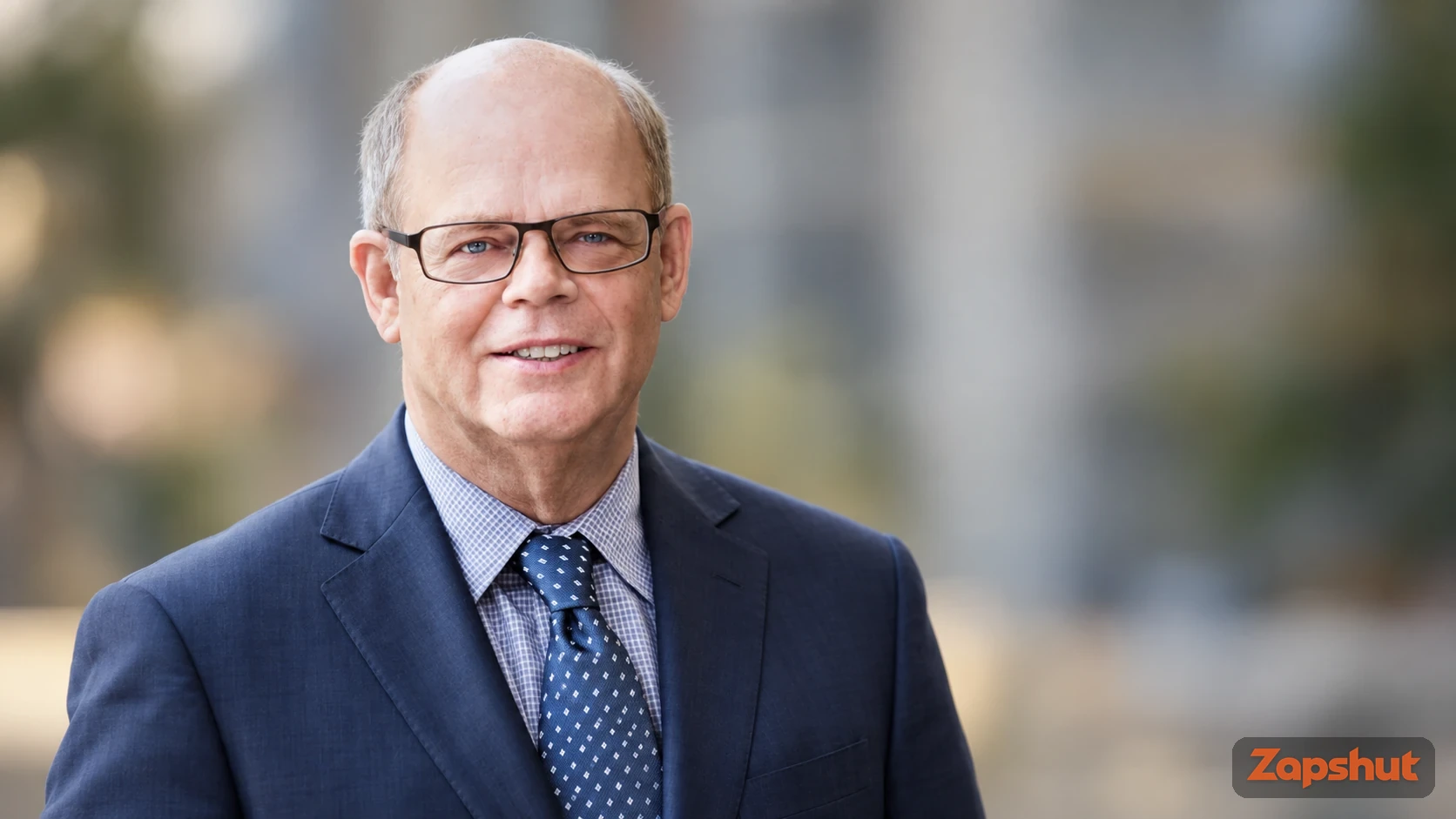
Doug Fregin is a Canadian technology entrepreneur best known for co-founding Research In Motion with Mike Lazaridis in 1984. RIM became one of the defining companies of the mobile-computing era and was renamed BlackBerry on January 30, 2013. Fregin worked inside the company for more than two decades, holding senior roles in hardware design and operations before retiring in 2007. BlackBerry’s corporate history identifies Lazaridis and Fregin as the company’s founders.
His career did not end with RIM. Fregin later reunited with Lazaridis in Waterloo’s quantum-technology ecosystem, helping establish Quantum Valley Investments and Quantum Valley Ideas Lab. As of October 6, 2026, Quantum Valley Investments lists him as Founder & Managing Partner.
Fregin has kept a substantially lower public profile than several other figures associated with BlackBerry. That has left basic parts of his biography vulnerable to exaggeration, particularly claims about his education, fortune and supposed sale of all his RIM shares in 2007. The public record is much clearer about his professional work than it is about his private life.
What Doug Fregin did at Research In Motion
Fregin and Lazaridis founded Research In Motion in 1984. The company name matters when describing his role: Fregin co-founded Research In Motion, not a company already called BlackBerry. RIM did not adopt the BlackBerry corporate name until 2013, years after Fregin had left.
According to an Ontario securities-regulator record, Fregin served as an RIM director from 1985 until 2007. He was initially Vice-President, Hardware Design and later Vice-President, Operations.
Those titles reflect the practical side of his contribution. Quantum Valley Ideas Lab’s biography credits Fregin with evaluating materials and fabrication methods and with designing early circuit boards for RIM technology. The Governor General of Canada likewise cites his work in printed-circuit-board design and component packaging.
That makes it misleading to describe Fregin simply as a financial co-founder or as the sole inventor of BlackBerry. His documented role was broader: he helped build RIM, worked on its early hardware and eventually oversaw operations.
Fregin and Lazaridis also knew each other before starting RIM. In a first-person account published in Jessica Livingston’s Founders at Work, Lazaridis described Fregin as a longtime friend who was involved in the company from its earliest days. The published chapter helps place their partnership before RIM became a major wireless company.
Education and early technical background
Fregin studied electrical engineering at the University of Windsor, according to his Quantum Valley Ideas Lab biography.
That is the safest way to describe his education. A completed University of Windsor bachelor’s degree is often asserted in online biographies, while an old Forbes profile lists the University of Waterloo instead. The strongest subject-specific institutional biography confirms that he studied electrical engineering at Windsor but does not establish a completed degree.
His exact birth date and current age are similarly not well established in authoritative public records. Those details are best left unspecified rather than reconstructed from inconsistent biography pages.
Why did Doug Fregin leave RIM?
Fregin retired from RIM in 2007 after more than two decades with the company. His retirement and end of board service are documented, but a reliable public explanation for his personal reason for leaving has not been established.
That distinction matters because later accounts sometimes treat his departure as evidence that he foresaw BlackBerry’s decline or deliberately timed his exit around Apple’s introduction of the iPhone. The documented record supports the fact of his retirement, not those interpretations of his motive.
Did Doug Fregin sell all his RIM shares in 2007?
One of the most repeated stories about Fregin is that he sold all his RIM or BlackBerry stock when he retired in 2007, supposedly cashing out just before the company’s later collapse.
The securities record contradicts that story.
In October 2013, Fregin and Lazaridis entered an agreement to explore a possible joint acquisition of BlackBerry shares they did not already own. The original SEC Schedule 13D reported the two men as part of a group, which can create the mistaken impression that Fregin personally controlled roughly 8% of BlackBerry.
The filing’s ownership details tell a different story. The larger group figure included shares attributable to Lazaridis that Fregin did not claim as his own.
A December 2013 amended SEC filing reported that Fregin could be deemed to beneficially own 11,912,186 BlackBerry shares, equal to approximately 2.26% of the company at the time. That total consisted of 703,080 shares held by Fregin and 11,209,106 held through a company he controlled.
In other words, retirement from RIM in 2007 did not mean he had disposed of all his ownership. Whatever transactions he may have made over the years, a substantial Fregin-related BlackBerry position was still reported more than six years later.
The same SEC amendment says the Lazaridis-Fregin acquisition-exploration agreement was terminated on December 24, 2013. Their interest in a transaction never became a completed takeover.
What Fregin did after RIM
Fregin’s post-RIM career shifted from communications hardware toward financing and commercializing advanced science.
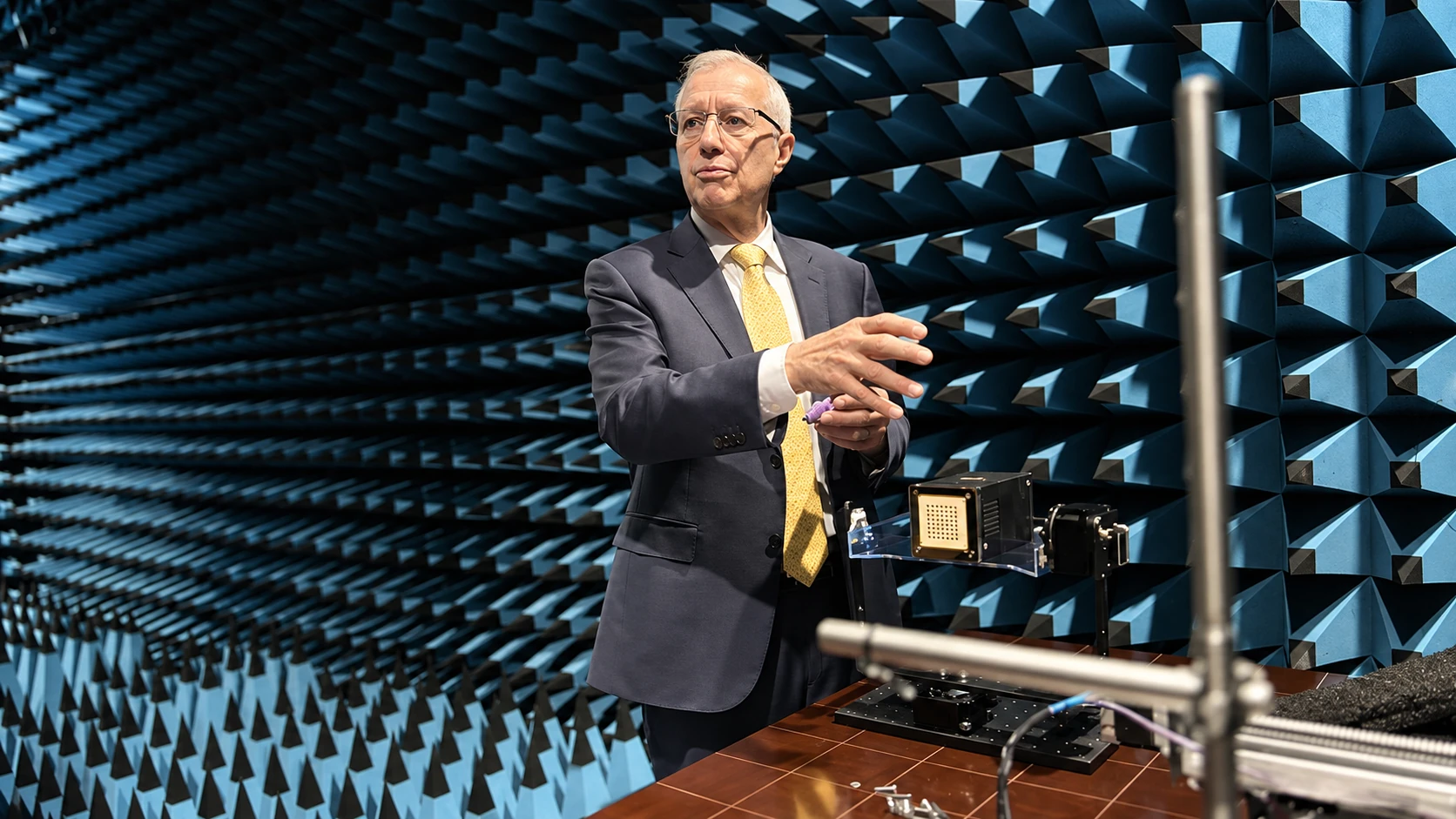
In 2013, he and Lazaridis founded Quantum Valley Investments. Quantum Valley Ideas Lab’s history says QVI began with $100 million of investment capital and was created to help commercialize technologies emerging from the quantum-information ecosystem centered in Waterloo, Ontario.
The focus is not simply academic research. Quantum Valley Investments describes its role as providing capital, technical guidance and business-development support to companies turning quantum-information science into commercial products. Its current materials place Fregin and Lazaridis at the center of an interconnected Waterloo network that includes research institutions, commercialization programs and technology companies.
In 2016, the two men also founded Quantum Valley Ideas Lab. QVIL says Lazaridis and Fregin committed $20 million to the initiative, with the Canadian federal government matching that commitment. The lab’s mission centers on moving quantum technologies from scientific discovery toward practical applications.
Their continued joint leadership also shows that the relationship between the two founders did not end with RIM. QVIL describes Lazaridis as Fregin’s close friend, while their present-day organizations document an ongoing business partnership.
What is Doug Fregin doing now?
As of October 6, 2026, Quantum Valley Investments’ leadership page identifies Fregin as Founder & Managing Partner.
His current public work is therefore tied primarily to technology investment and quantum commercialization rather than the smartphone industry. QVI describes the broader goal as building a “Quantum Valley” in the Waterloo region, connecting scientific research with businesses capable of bringing new technology to market.
That makes his post-BlackBerry career a continuation of a familiar theme: taking technically complex ideas and helping move them toward practical products and companies.
Honors and recognition
Fregin is a Member of the Order of Canada. The Governor General’s official record gives his full name as Douglas Edgar Fregin and records the honor as awarded on May 7, 2015, with his investiture taking place on February 12, 2016.
The distinction is sometimes misstated as Officer of the Order of Canada. The official record identifies his rank as Member.
He also received an honorary Doctor of Engineering from the University of Waterloo. The university’s June 17, 2022 record documents the honorary degree and recognizes his contributions to technology and the Waterloo research community.
Institutional biographies from Quantum Valley Ideas Lab and the University of Waterloo also credit Fregin with a 1994 Technical Emmy related to development of a Keycode Reader, alongside Eastman Kodak and the National Film Board of Canada. The award is best described with that institutional attribution rather than expanded into broader claims about Fregin personally inventing the technology.
His philanthropic ties to Waterloo’s science institutions have also been substantial. Perimeter Institute has identified Fregin among its major founding supporters, reflecting the same long-term interest in fundamental science that later shaped the Quantum Valley organizations.
What is Doug Fregin’s net worth?
There is no responsibly verified current 2026 net-worth figure for Doug Fregin.
Forbes estimated his fortune at $1 billion as of March 1, 2010, when it included him in its 2010 billionaire coverage. That figure is useful as a historical estimate, not as a current valuation.
A person’s former ownership of publicly traded shares does not establish present wealth. Share sales, taxes, private investments, charitable giving, gains, losses and other assets and liabilities can all materially change a fortune over time. Fregin’s 2013 SEC filings establish how many BlackBerry shares were attributed to him at that point, but they do not provide a complete picture of his finances today.
Claims that he is currently worth exactly $1 billion generally recycle an old figure without current asset data.
How accurate is Doug Fregin in the BlackBerry movie?
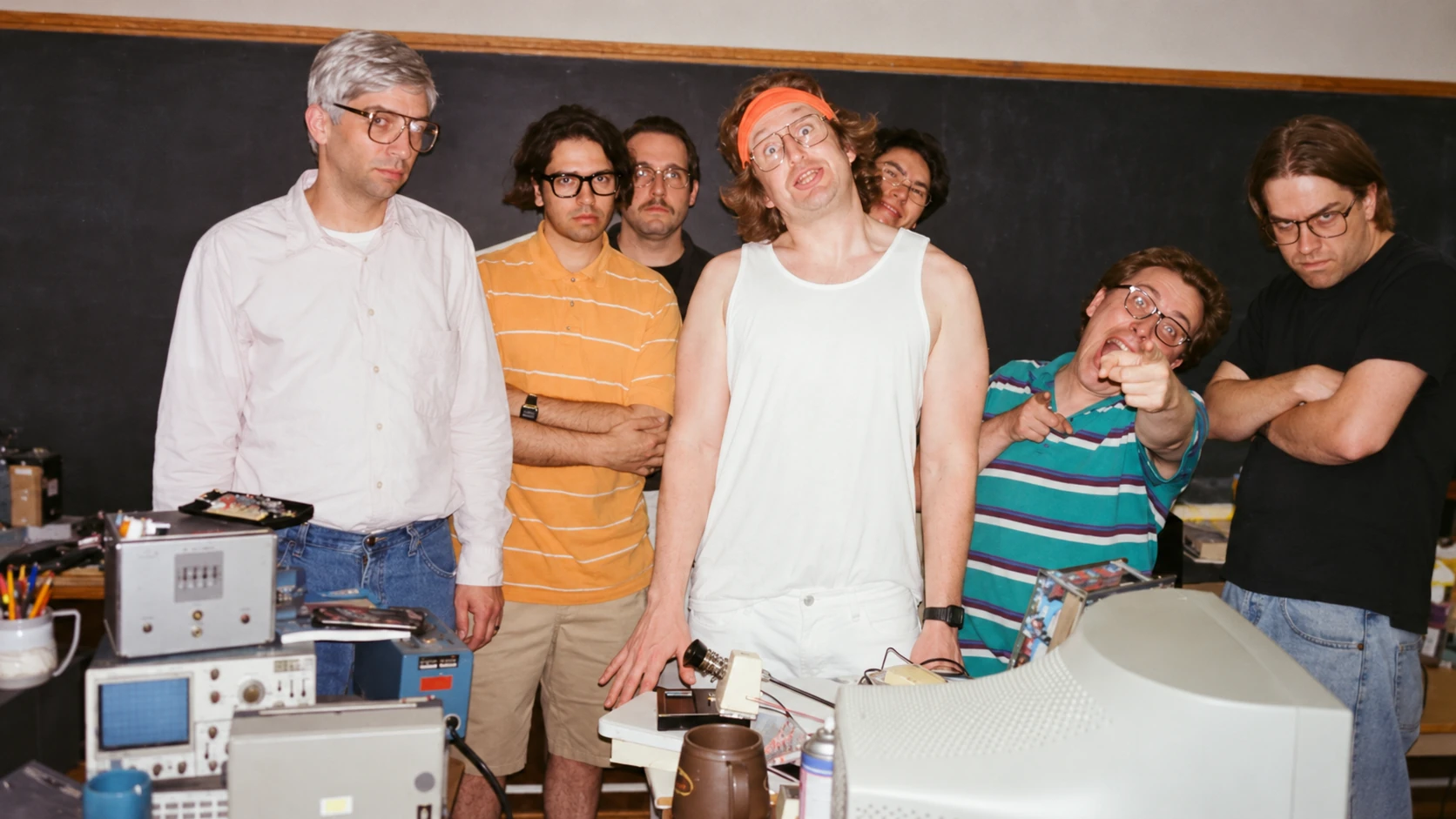
Fregin reached a new audience through the 2023 film BlackBerry, in which director Matt Johnson also played a dramatized version of him.
The film should not be treated as a literal biography. The filmmakers acknowledged taking liberties with characters, events and chronology. A contemporaneous Associated Press report published by Fortune discusses that dramatization directly.
That is especially important with Fregin because the movie gives him a conspicuous comic persona. Those character traits are not reliable evidence about the real person’s temperament, habits or behavior.
The film article also repeated the claim that Fregin sold all his stock around the launch of the iPhone. That part conflicts with the later ownership shown in his 2013 SEC filings and should not be treated as established history.
Doug Fregin’s place in BlackBerry history
Fregin is sometimes overshadowed in accounts of BlackBerry by Lazaridis and later executive Jim Balsillie, but the formal record leaves little doubt about his place at the beginning of the company. He was a co-founder of Research In Motion, a longtime director, a hardware-design executive and later an operations executive.
His later career also makes the story more than an account of someone who left a famous company at the right or wrong moment. After retiring from RIM, Fregin helped build institutions intended to turn quantum-information research into commercial technology, again working alongside Lazaridis.
The best-documented version of his biography is therefore more precise than the familiar internet shorthand. He did not co-found a company already named BlackBerry; he co-founded Research In Motion in 1984. He retired in 2007, but SEC records show he still had more than 11.9 million attributable BlackBerry shares in December 2013. Forbes estimated his wealth at $1 billion in 2010, but that is not a verified 2026 net worth. And while many personal details remain outside the public record, his current professional role is clear: Founder & Managing Partner of Quantum Valley Investments.